Explore the birth of Pac‑Man, the 30th anniversary tribute, the viral Google Pacman Doodle, controls, strategies, and why this arcade icon still matters today.
Pac‑Man is one of the most recognizable and influential video games of all time. Released by Namco in 1980 and designed by Toru Iwatani, Pac‑Man popularized maze-chase mechanics and introduced a non-violent, universally appealing arcade experience. Three decades after its debut, Pac‑Man remained culturally relevant and was celebrated worldwide for its timeless design, approachable gameplay and memorable characters.
Pac‑Man was first released in Japan by Namco in 1980. The arcade cabinet debuted in the spring of 1980 and reached international arcades soon after—an era when video games were rapidly evolving from novelty machines into pop culture phenomena. The game’s simple yet deep mechanics allowed players of all ages to pick it up quickly while offering layers of mastery.
Designer: Toru Iwatani (Namco).
Original release year: 1980.
The 30th anniversary of Pac‑Man marked a moment to reflect on the game's legacy and continuing influence. Anniversary events, re-releases and tributes recognized Pac‑Man's role in shaping the industry: from merchandise and high-score tournaments to special editions and web tributes that introduced Pac‑Man to a new generation of players.
One of the most visible tributes to Pac‑Man’s anniversary and cultural status was Google’s Pacman Doodle — a playable recreation placed directly on the Google homepage, which drew millions of plays and headlines worldwide.
To honor Pac‑Man, Google created a playable Pac‑Man Doodle that transformed the Google logo into a working Pac‑Man maze. The doodle invited casual visitors and longtime fans alike to play right from the search homepage, blending nostalgia with accessibility. This celebration demonstrated how Pac‑Man transcends traditional gaming spaces and appears in mainstream culture beyond the arcade.
The Google Pacman Doodle was notable for:
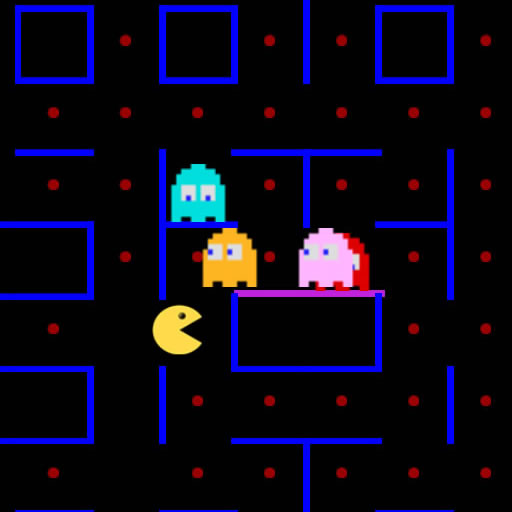
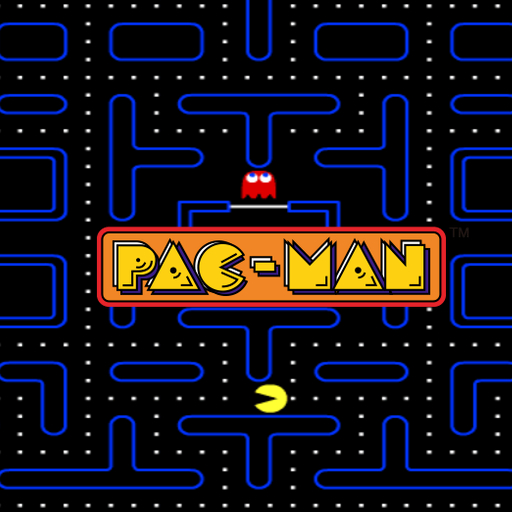
At its core, Pac‑Man is a maze-chase game where players guide Pac‑Man through a rectangular maze to eat dots (also called pellets) while avoiding four colored ghosts. Clearing the maze advances the player to the next level. Strategic use of power pellets (larger pellets) temporarily turns the ghosts blue, allowing Pac‑Man to eat them for bonus points.
The classic arcade cabinet used a four-way joystick. When playing in-browser or on modern ports, these keyboard controls are standard and widely supported:
Arrow keys: Move Pac‑Man (Up, Down, Left, Right)
W A S D: Alternate movement keys (Up, Left, Down, Right) — supported by some ports
Enter / Space: Start / Pause (depends on implementation)
Controls may vary slightly depending on the specific web port or emulator. Mobile and touch versions typically use on-screen directional controls or swipe gestures.
Toru Iwatani, a Namco designer, created Pac‑Man with the intent to appeal to players beyond the male-dominated shooter and space-invader audiences of the time. Iwatani’s vision emphasized approachable characters, simple mechanics and a design language that invited repeat play. The result was a game built on strong core mechanics, character-driven appeal and clever level design.
Pac‑Man's influence reaches far beyond high scores. It helped establish conventions in game design such as distinct enemy patterns, risk-reward mechanics (power pellets), and iconic character-based marketing. Over decades, Pac‑Man inspired sequels, merchandise, television shows, music, and countless homages across media.
Important elements of Pac‑Man’s legacy include:
Classic Pac‑Man can be experienced through licensed re-releases, dedicated retro collections, and authorized web versions. For a focused tribute and information, visit pacman-30th-anniversaryy.gitlab.io which collects resources, playable embeds (where licensed), and historical notes celebrating Pac‑Man’s milestones.